Let Elder Solutions & Advocacy help you with...
Fall Prevention
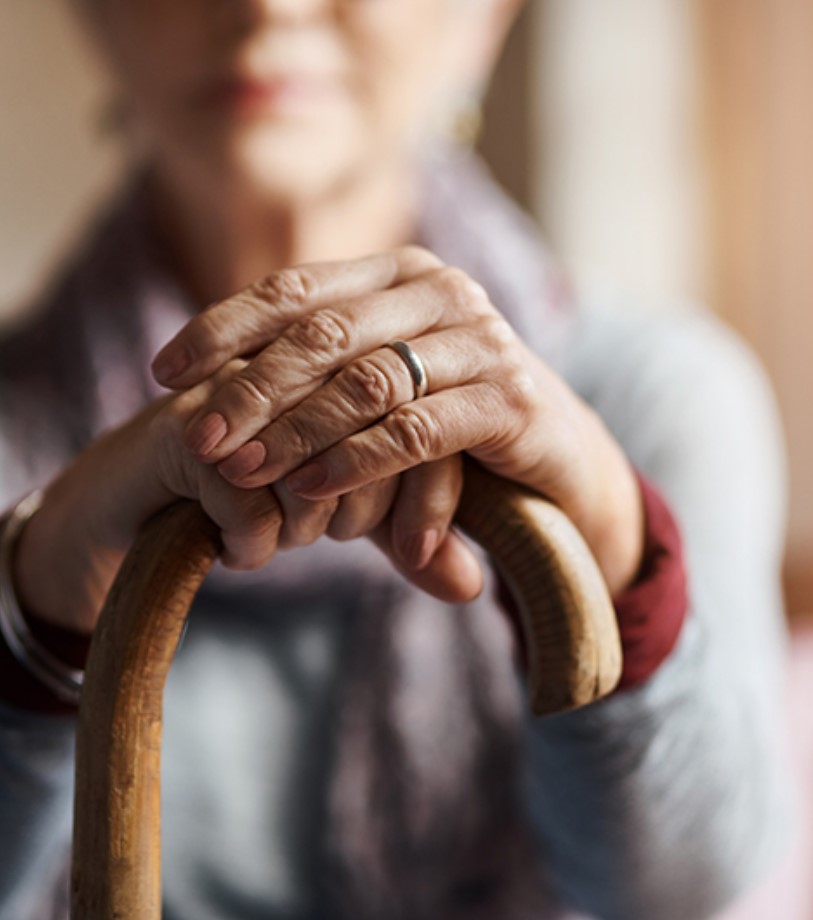
Elderly fall prevention focuses on reducing the risk of falls that can lead to serious injuries and loss of independence. As balance, strength, vision, and reaction time naturally change with age, older adults become more vulnerable to slips and falls at home and in the community. Fall prevention support includes identifying personal risk factors, reviewing medications that may affect balance, and recommending appropriate exercises to improve strength, coordination, and mobility.
Equally important, fall prevention addresses environmental and lifestyle factors that contribute to accidents. This may involve home safety assessments to reduce hazards such as poor lighting, loose rugs, or clutter, as well as guidance on proper footwear and assistive devices. Education and ongoing monitoring help seniors and their families stay proactive, promoting safety, confidence, and independence while reducing the likelihood of preventable injuries.